William of Worcester's Chronicle of England
William of Worcester, born around 1415, and died around 1482 was secretary to John Fastolf, the renowned soldier of the Hundred Years War, during which time he collected documents, letters, and wrote a record of events. Following their return to England in 1440 William was witness to major events. Twice in his chronicle he uses the first person: 1. when writing about the murder of Thomas, 7th Baron Scales, in 1460, he writes '… and I saw him lying naked in the cemetery near the porch of the church of St. Mary Overie in Southwark …' and 2. describing King Edward IV's entry into London in 1461 he writes '… proclaimed that all the people themselves were to recognize and acknowledge Edward as king. I was present and heard this, and immediately went down with them into the city'. William’s Chronicle is rich in detail. It is the source of much information about the Wars of the Roses, including the term 'Diabolical Marriage' to describe the marriage of Queen Elizabeth Woodville’s brother John’s marriage to Katherine, Dowager Duchess of Norfolk, he aged twenty, she sixty-five or more, and the story about a paper crown being placed in mockery on the severed head of Richard, 3rd Duke of York.
Available at Amazon in eBook and Paperback format.
Preston, Lancashire is in Lancashire.
On 2nd January 1623 Barbara Walsingham [aged 63] died at Preston, Lancashire [Map].
On 19th February 1712 Arthur Devis was born to Anthony Devis at Preston, Lancashire [Map]. He married 20th July 1742 Elizabeth Faulkener and had issue.
The 1715 Battle of Preston was the final action of the 1715 Jacobite Rebellion. It commenced on 9th November 1715 when Jacobite cavalry entered Preston, Lancashire [Map]. Royalist troops arrived in number over the next few days surrounding Preston forcing the Jacocobite surrender. 1463 were taken prisoner of which 463 were English. The Scottish prisoners included:
George Seton 5th Earl of Winton [aged 38]. The only prisoner to plead not guilty, sentenced to death, escaped from the Tower of London [Map] on 4th August 1716 around nine in the evening. Travelled to France then to Rome.
On 24th February 1716 William Gordon 6th Viscount Kenmure [aged 44] was beheaded on Tower Hill [Map].
On 9th February 1716 William Maxwell 5th Earl Nithsdale was sentenced to be executed on 24th February 1716. The night before his wife [aged 36] effected his escape from the Tower of London [Map] by exchanging his clothes with those of her maid. They travelled to Paris then to Rome where the court of James "Old Pretender" Stewart [aged 27] was.
James Radclyffe 3rd Earl Derwentwater [aged 26] was imprisoned in the Tower of London [Map]. He was examined by the Privy Council on 10th January 1716 and impeached on 19th January 1716. He pleaded guilty in the expectation of clemency. He was attainted and condemned to death. Attempts were made to procure his pardon. His wife Anna Maria Webb Countess Derwentwater [aged 24], her sister Mary Webb [aged 21] [Note. Assumed to be her sister Mary], their aunt Anne Brudenell Duchess Richmond [aged 45], Barbara Villiers 1st Duchess of Cleveland appealed to King George I [aged 55] in person without success.
On 24th February 1716 James Radclyffe 3rd Earl Derwentwater was beheaded on Tower Hill [Map]. Earl Derwentwater, Baronet Radclyffe of Derwentwater in Cumberland forfeit.
William Murray 2nd Lord Nairne was tried on 9th February 1716 for treason, found guilty, attainted, and condemned to death. He survived long enough to benefit from the Indemnity Act of 1717.
General Thomas Forster of Adderstone [aged 31] was attainted. He was imprisoned at Newgate Prison, London [Map] but escaped to France.
The trials and sentences were overseen by the Lord High Steward William Cowper 1st Earl Cowper [aged 50] for which he subsequently received his Earldom.
The River Ribble rises near Gearstones, North Yorkshire [Map], being formed from the Thorn Gill, from where it flows past Selside, North Yorkshire [Map] and Horton in Ribblesdale, North Yorkshire [Map], under Helwith Bridge, North Yorkshire [Map], over Stainforth Force [Map], through Settle, North Yorkshire [Map], past Paythorne, Lancashire [Map], Sawley, Lancashire [Map], Clitheroe, Lancashire [Map] to Great Mitton, Lancashire [Map] where it is joined by the River Hodder. It continues under Ribchester Bridge, Lancashire [Map] past Ribchester Roman Fort, Lancashire [Map] to Preston, Lancashire [Map] after which it joins the Irish Sea.
St Andrew's Church, Ashton-on-Ribble. Marble monument to Captain Thomas Pedder, who died at the Relief of Lucknow, by Henry Weekes.
On 17th November 1617 Catherine Gerard Lady Hoghton [aged 48] died at Houghton Tower, Preston.
See Priories in England.
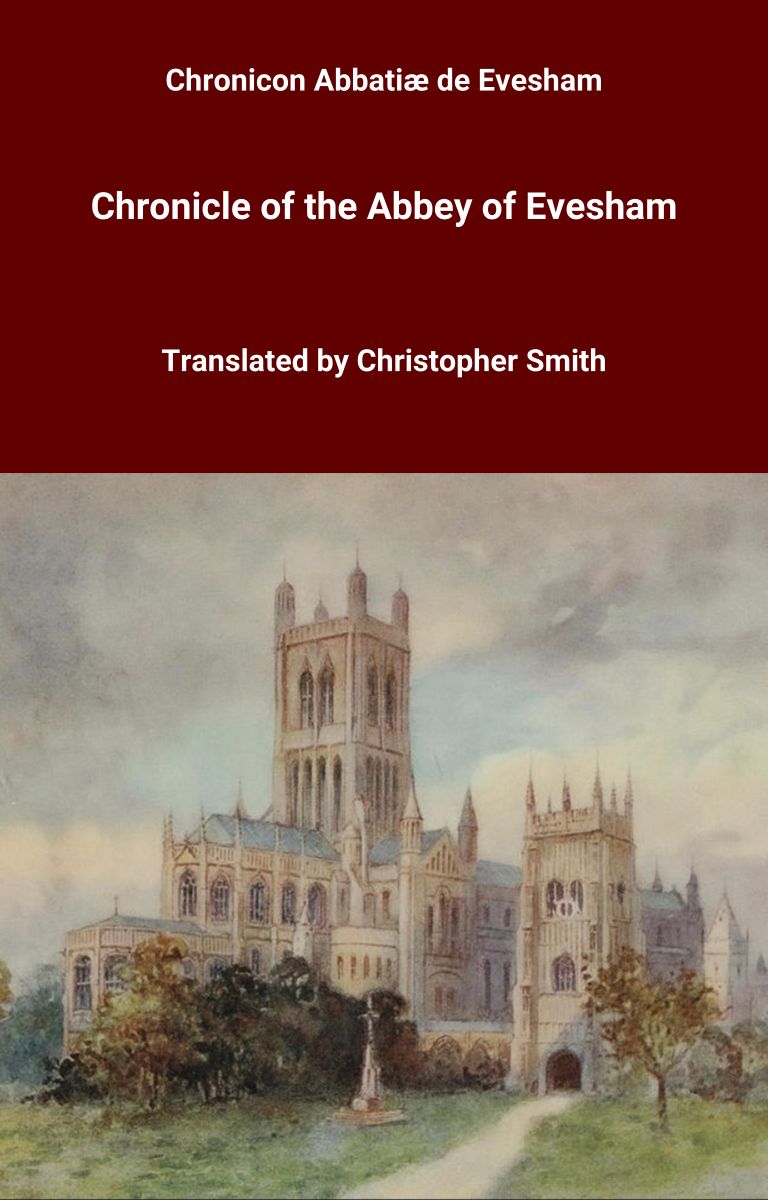
Chronicle of the Abbey of Evesham. In the year 1055 from the Incarnation of the Lord, Edward [the Confessor], King of England, gave Little Sewell and Great Grafton to the church of the Blessed Mary and St Ecgwin, and granted that there should be a borough and a market at Evesham. At another time, Warin Bussel gave to the church of Evesham the church of Penwortham [Map], together with a third part of the tithes from the demesne of Leyland, Meols, and Farington, with their appurtenances. Richard Bussel gave to the church of Evesham six bovates of land at Longton, the whole church of Leyland, a fourth part of the fishery at Penwortham, one free fishing-net, and the chapel of Meols. His brother Albert gave two bovates of land at Leyland and the assart1 of Blakesha. Richard, Bishop of Coventry, confirmed all these possessions, together with the priory, to us by his charter. Earl Roger of Poitou gave us Hocwike, which we hold from the king. Nigel, constable of Chester, gave half of Thelwall, one fishery, and one hide at Goldhore. Milo Crispin gave half a hide at Hillingdon. Brian, son of the earl, gave the church of Hillingdon. Alnod the priest gave the church of St Michael in Cornhill, London. Robert of Stafford gave Wrottesley and Liventon. William Fossard gave the church of Huntingdon. Hugh son of Roger gave us Suleston and one carucate of land from the inheritance of his wife Margaret, at her request, and Pagan de Muers gave to the same house the island called Serpham. William de Harcourt gave us five shillings from the mill at Weston. Robert de Kikeswic gave us the tithes of Pikerley. These were the principal and earliest benefactors of this church. May God, in His great mercy, do good to them and repay them according to the recompense which they gave to us, rendering to them according to their good deeds, so that they may receive a hundredfold in the kingdom of heaven. But because, partly through the various hardships of the times and the assaults of war, partly through the attacks and invasions of wicked men, and partly through the incompetence, wickedness, and negligence of the prelates and subjects of this church, these possessions are known at various times to have been plundered and taken away in many ways by numerous ill-disposed enemies of God and of this church, while again, by the grace of God, a large part of them has been recovered and restored by more capable and diligent successors, who loved the things of God more than flesh and blood, succeeding wicked prelates and subjects, we shall commit to writing, though with an inadequate pen, both the wrongdoers and the benefactors, both those who dispersed these possessions and those who restored them, so that each may receive the recompense and reward, the justice and mercy, that is his due. The careful reader should also bear this in mind in what follows: if he should ever find it written that someone other than those named above gave any of the aforesaid possessions to this church, he should understand that such a person restored rather than newly bestowed it. Nevertheless, the same reward from the Lord is due to the man who acquires, preserves, and recovers what has been dispersed. Thus all the possessions acquired by our most holy father, the blessed Ecgwin, were held in their entirety, without diminution and with the fullest liberty, by eighteen abbots after his death. Their names are as follows: The first after him was Æthelwold; the second abbot, Aldbore; the third, Aldbath; the fourth, Aldfefert; the fifth, Tildbrith; the sixth, Cutulf; the seventh, Aldmund; the eighth, St Credan; the ninth, Thineferth; the tenth, Aldbald; the eleventh, Ecbrith; the twelfth, Elferd; the thirteenth, Wifard; the fourteenth, Kinelm; the fifteenth, Kinath; the sixteenth, Ebba; the seventeenth, another Kinath; and the eighteenth, Abbot Edwin. All these, one after another, held this abbey for very many years whole and undivided, together with its lands, possessions, and extensive liberties, just as Father Ecgwin had left it.
Anno ab incarnatione Domini millesimo quinquagesimo quinto Eadwardus rex Angliæ dedit ecclesiæ beatæ Mariæ et beati Ecgwini Suuellam Minorem et Graftone Majorem, et concessit quod porth et mercatio essent apud Eovesham. Alio vero tempore Warinus Bussel dedit ecclesiæ de Evesham ecclesiam de Penwrtham et tertiam partem decimarum de dominico de Lailonde et de Meoles et. Farintone cum pertinentiis suis. Ricardus Bussel dedit ecclesiæ Eoveshamensi sex bovatas terræ in Longeton et totam ecclesiam de Lailonde et quartam partem piscariæ de Penwrtham et unum rete liberum et capellam de Meoles. Albertus frater ejus dedit duas bovatas terræ in Lailonde et assartum de Blakesha. Ricardus vero episcopus Conventrensis per cartam suam hæc omnia cum prioratu nobis confirmavit. Comes autem Rogerus Pictavensis [dedit nobis] Hocwike; hanc tenemus de rege. Nigellus constabularius Cestriæ medietatem de Thelewelle, et unam piscariam et unam hidam in Goldhore. Milo Crispin dedit dimidiam hidam in Hildendone. Brien filius comitis dedit ecclesiam de Hildendone. Alnod sacerdos dedit ecclesiam beati Michaelis in Cornhulle, London. Rodbertus de Stafford dedit Wrottesleiam et Liventonam. Willielmus Fossard³ dedit ecclesiam de Huntintun. Hugo filius Rogeri dedit nobis Suleston et unam carrucatam terræ de hæreditate Margaretæ uxoris suæ ad petitionem ejusdem, et Paganus de Muers dedit eidem loco insulam quæ dicitur Serpham. Willielmus de Harewecurt dedit nobis quinque solidos in molendino de Westun. Robertus de Kikeswic dedit nobis decimas de Pikerleye. Isti fuerunt hujus ecclesiæ principales et primi benefactores, quibus pro misericordia sua magna benefaciat Deus et retribuat eis secundum retributionem quam retribuerunt nobis, respondens ipsis secundum benefacta eorum, ut centuplum accipiant in regno cælorum. Sed quia tum per varias temporum incommoditates et bellorum incursus, tum per malignorum hominum impugnationes et invasiones, tum per prælatorum et subditorum hujus ecclesiæ insufficientiam, malitiam, et negligentiam, a pluribus malevolis Dei et ecclesiæ hujus inimicis diversis temporibus hæc bona multimodis direpta et subtracta dinoscuntur, et iterum, per gratiam Dei, per sufficientiores, diligentiores, et magis que Dei erant quam carnis et sanguinis diligentes, malignorum prælatorum et subditorum bonos successores, pro magna parte revocata et redintegrata consistunt, tam malefactores quam benefactores, tam dispersores quam redintegratores ut utrique dignam remunerationem et mercedem, justitiam et misericordiam consequantur, stylo, licet insufficienti, commendabimus. Hoc etiam in subsequenti opere diligens lector attendat, quod si aliquando alium a prædictis aliqua ex pradictis huie ecclesize contulisse scriptum invenerit, magis revocasse quam de novo contulisse intelligat; quamvis acquirenti, conservanti, et dispersa revocanti, eadem merees a Domino debeatur. Igitur omnes possessiones a sanctissimo patre nostro beato Egwino acquisitas integerrime sine diminutione et cum summa libertate decem et octo abbates post ejus depositionem possederunt, quorum nomina sunt haec: Primus ab eo Æthelwold; abbas secundus, Aldbore; abbas tertius, Aldbath; quartus, Aldfefert; quintus, Tildbrith; sextus, Cutulf; septimus, Aldmund; octavus, Credanus sanctus; nonus, Thineferth; decimus, Aldbald; undecimus, Ecbrith; duodecimus, Elferd; tertius decimus, Wifard; quartus decimus, Kinelm; quintus decimus, Kinath; sextus decimus, Ebba; septimus decimus, alter Kinath; octavus decimus, Edduuinus abbas. Isti omnes pariter per ordinem hanc abbatiam integram atque indivisam cum terris et possessionibus et magna libertate veluti pater Eggwinus dereliquit quamplurimis annis tenuerunt.
Note 1. 'assart'. The clearing of woodland or waste in preparation for cultivation.
Chronicle of the Abbey of Evesham. But when the abbot [Roger Norreis] reported this proposed form of peace to the monastic community, the community refused to consent to it, because it seemed to them to be wholly tainted with simony. And because Master Adam Sortes opposed it before the others and more steadfastly than they did, the abbot conceived such hatred, anger and indignation against him that from that day onwards he never looked upon him with a favourable eye, if indeed he ever had before. He persecuted him so severely that the two of them could no longer remain together. Unable to endure such persecution, Adam did everything he could to leave us. When he had obtained from the abbot letters of dismissal, we, unwilling to suffer the loss of so distinguished a member of the church, and since we could in no way retain him among us, granted him letters of commendation on the condition that he might return whenever he wished. When he was already preparing to depart, we took pity on the danger facing so great a man. Since the abbot was unwilling to allow him to remain near him, we obtained from the abbot that Adam should be made Prior of Penwortham [Map], so that in this way they would not have to see one another. This was done, and he remained there for seven years and more, until the fifth day after the abbot’s deposition.
Sed quum abbas hane formam pacis conventui retulisset noluit conventus ei consentire, quia labe simoniaca plena eis videbatur; et quia magister Adam Sortes prius et cæteris constantius ei contradixit, tantum odium, iram, et indignationem concepit abbas adversus eum, quod recto oculo ab illa die deinceps, quamvis forte nec prius, illum non respexit, sed in tantum eum est persecutus quod simul non poterant commorari. Ille vero tantam persecutionem sustinere non potens, omnimodis operam dedit ut a nobis recederet, et quum ab abbate impetrasset quod daret ei literas dimissorias, nos tam nobilis membri ecclesiæ jacturam non sustinentes, quum illum apud nos nequaquam possemus retinere, concessimus ei literas commendatitias sub tali forma quod quandocunque vellet posset redire. Et quum jam vellet recedere, tanti viri periculo compassi, nec abbas vellet eum apud se moram facere, obtinuimus ab abbate ut faceret eum priorem de Penwortham ut ita non viderent se ad invicem, quod et factum est, et mansit ibi per septennium et amplius usque in quintum diem post depositionem abbatis.
Chronicle of the Abbey of Evesham. On the fifth day after these events [in November 1213], at the request of the monastic community, the lord legate took pity on him and gave him the priory of Penwortham [Map] for his maintenance for life. Five months later, however, he took it away from him because of his offences. He then went to Rome, but was able to obtain neither the abbacy nor the priory, nor even recognition as a monk of this church. Returning therefore with his business unsuccessful, he attached himself to Silvester1, Bishop of Worcester, and suggested to him whatever he thought might harm us and our church, but he did us no injury. He also went with the bishop to the lord Wala, then legate of the Apostolic See, at Gloucester, and sought restoration to the abbacy, but obtained nothing from him, just as previously he had obtained nothing from the lord pope. Then, despairing of his own restoration, he demanded one hundred pounds which, as he said, he had fraudulently carried off from the church of Canterbury, claiming that the church of Evesham ought to restore it to that church because he asserted that he had spent the money for Evesham’s benefit. But the lord legate, in our absence, regarded his unsupported assertion as worthless. Then, pouring out all his malice and all his venom, he prostrated himself on the ground and said that against his conscience he had freed the church of Evesham from subjection to the Bishop of Worcester, and openly informed the lord legate of everything which he considered weak in our claim to liberty. But he put forward nothing worthy of belief. The lord legate, who at the time when judgement had been given in favour of the exemption of our church had sat with the other cardinals beside the lord pope, and who was among the cardinals especially learned in civil law, replied: "It was not you, wretched man, who freed the church of Evesham, nor were you even in Rome when the judgement was given. Rather, the lord pope, after examining and approving the privileges of the Roman pontiffs, declared it free by his judgement. And because you plead your own disgrace, you are not to be heard." And he ordered him to leave the house, and so he departed in confusion. Afterwards, when almost five years had passed since his deposition, the lord Pandulf, who was then exercising the office of legate in England, took pity on him and, lest he should remain a wandering monk for all the days of his life, restored to him the priory of Penwortham. There he withheld from the monastic community whatever revenues assigned to it he could. He lived there for almost six years thereafter2. During that time, although both Master Adam Sortes by word of mouth and I, as prior, through monks and through laymen who were his kinsmen and others, repeatedly admonished him, indeed advised and begged him, to write to the monastic community so that all resentment on both sides might be put aside, although we had already wholly put ours aside in our hearts, and also to ask the lord abbot and the monastic community that he might be made a monk of Evesham, he refused to agree to our requests. He died there and was buried in the same place. Although, therefore, as has been said, he was not one of our monks, nevertheless the lord abbot and the monastic community, acting piously towards him, caused everything to be done for him, both in spiritual and temporal matters, just as if he had died among us at Evesham as one of our own monks.3
Quinta post hæc die ad petitionem conventus misertus illius dominus legatus, dedit ei prioratum de Penwrtham ad vitæ sustentationem, quem post quinque menses propter excessus suos ei abstulit. Qui tunc Romam adiit, sed nec abbatiam nec prioratum nec etiam monachatum hujus ecclesiæ obtinere potuit. Reversus igitur infecto negotio, adhæsit Silvestro Wigornensi episcopo et quæcunque nobis et ecclesiæ nostræ nocitura credebat ei suggessit, sed nihil nobis nocuit. Ad dominum etiam Walam tunc temporis apostolicæ sedis legatum apud Glouerniam cum episcopo accessit, et restitutionem abbatiæ petiit, sed nihil ab eo obtinuit, sicut nec prius a domino papa. Tunc desperans de reformatione sua petiit centum libras quas ab ecclesia Cantuariensi, ut dicebat, fraudulenter asportaverat eidem ecclesiæ ab ecclesia Eveshamensi debere restitui, in cujus usus eas se expendisse asserebat. Sed dominus legatus ejus nudam assertionem in absentia nostra pro nihilo reputavit. Tunc omnem malitiam suam et omne venenum suum effundens, humi prostratus dixit quod contra conscientiam suam ecclesiam Eveshamensem a subjectione Wigornensis episcopi liberaverat et omnia quæ circa libertatem nostram infirma putabat domino legato palam intimavit, sed nulla fide digna proposuit. Unde dominus legatus qui tempore late sententiæ pro exemptione ecclesiæ nostræ cum aliis cardinalibus domino pape assederat, ut inter cardinales in jure civili peritissimus, respondit, "Non tu, miser, ecclesiam Eveshamensem liberasti, nec etiam tempore sententiæ latæ Romæ fuisti, sed dominus papa inspectis et approlatis privilegiis Romanorum pontificum eam liberam per sententiam suam declaravit. Et quia propriam turpitudinem allegas, non es audiendus;" — et jussit ut domum egrederetur, et sic confusus recessit. Postmodum vero, elapsis fere quinque annis a tempore depositionis suæ, misertus illius dominus Pandulfus qui tunc legationis officio fungebatur in Anglia, ne esset gyrovagus omnibus diebus vitæ suæ restituit ei prioratum de Penwrtham, ubi quoscunque redditus potuit conventui assignatos subtraxit. Vixit autem ibi postea to him in annis ferme sex, et quamvis pendente hoc tempore tam magister Adam Sortes viva voce quam ego prior, et per monachos et per viros sæculares consanguineos suos et alios, commonuissemus eum, immo consuluissemus et supplicassemus ei, quod scriberet conventui ut utrinque omnis indignatio remitteretur (quamvis nos ex animo omnino remissemus), et etiam peteret a domino abbate et conventu quod fieret monachus Eveshamiæ, noluit acquiescere nobis, sed mortuus est ibidem et sepultus in eodem loco. Quamvis itaque, ut dictum est, non esset monachus noster tamen pie agentes cum eo dominus abbas et conventus ita omnia pro eo tam in spiritualibus quam temporalibus agi fecerunt ac si Eveshamiæ apud nos monachus noster obiisset.
Note 1. Silvester de Evesham, prior of Worcester, was elected bishop 3rd April 1216, and consecrated 3rd July in the same year. It was in this year also that cardinal Guala [aged 63] came to England as legate of Innocent III.
Note 2. Abbot Roger Norreis died on 19th July 1223; Lambeth MS 589.
Note 3. The following passage is here inserted in Harl. 3763, on the margin of fol. 170 b: "During the time of this Abbot Roger, namely in the year of the Lord 1203, the altar of St John the Baptist was dedicated on the feast of St Theodore the Martyr by Philip, Archbishop of Tuam, in the province of Connacht in Ireland, granting to the benefactors of the same altar a remission of thirteen days. Also during his time, namely in the year of the Lord 1206, Ægidius, Primate of Ireland, ordained at Evesham in the month of September monks of Evesham and Bruern, together with several clerks."
The following passage is here inserted in Harl. 3763, on the margin of fol. 170 b: "Tempore istins Rogeri abbatis, videlicet anno Domini MCCIII dedicatum est altave sancti Johannis Baptistæ in die sancti Theodori martyris a Philippo Tuamensi archiepiscopo, Conuactiæ provineix Hiberniœ, relaxando benefactoribus ejusdem xiii. dies. Istius etiam tempore, videlicet anno Domini MCCVI, Ægidius primas Hiberniæ apud Evesham monachos Eveshamiæ, Brueriæ et plures clericos in Septembri ordinavit."
On 27th November 1213 Abbot Roger Norreis was appointed the prior of Penwortham Priory [Map], a dependent priory of Evesham.
Around April 1214 Abbot Roger Norreis was deposed as prior of Penwortham Priory [Map]. He was restored aorund 1218 through the influence of the papal legate Pandulf Verraccio.
On 17th August 1648 John Hay 1st Marquess Tweeddale [aged 23] for the Royalist army at Walton en le Dale, Preston during the 1648 Battle of Preston.
On 9th March 1795 Henry Hoghton 6th Baronet [aged 66] died at Walton Hall, Preston. His son Henry [aged 26] succeeded 7th Baronet Hoghton of Hoghton Tower in Lancashire.